Cabbage - Red
Type: Vegetable
Rotation Group: 4, Brassicas
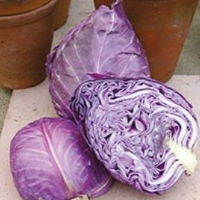 | | KALIBOSA delicious novelty - it has red, pointed heads - is notable for its sweet flavour and is perfect grated raw into salads or cooked. It originally came from Eastern Europe and is well worth trying.
|
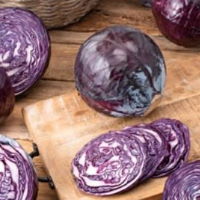 | | RED FLAREVery early, sweet flavour, dark colour, short core, hard, tight heads - this variety has it all! Lovely served with apples and raisins.
|
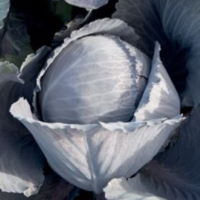 | | LODEROProduces tightly packed small to medium sized heads which are full of flavour and store well. Excellent in coleslaw or steamed where it retains its colour well.
|
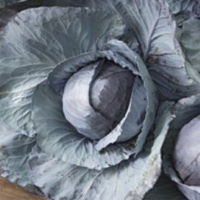 | | KLIMAROAn extremely versatile variety, Klimaro can harvested when small or grown large. It has a small core and fantastic internal colour and will stand well without going overmature. It has an excellent flavour, particularly suited to coleslaw.
|
Site, Soil and Preparation
Cabbages like a fertile, well draining, moisture retentive, firm soil. The main crop beds should be dug over and firmed a few months before planting.
Indoor Sowing
Red Cabbage is sown in March to May ready to cut from August to November. Cabbage can be started off in growing cells or seed trays under cover.
Outdoor Sowing
Cabbage seed can be sown directly into a seed bed.
Thinning
Seeds should be sown thinly and thinned out to 3 inches as they develop. Germination usually takes 7 to 14 days.
Transplanting
Seedlings are ready for transplanting when they have 5 or 6 leaves. Use a dibber to make a hole large enough to accommodate the root ball and firm the soil around the plant. Spacing between plants varies, for compact heads space at 30cm, for large heads allow 45cm and leave just 15cm between spring cabbage to encourage their conical shape.
Care
Keep the young plants weed free and well watered until established and then only water during dry periods.
Harvest
Cabbages are harvested by cutting through the stem just above ground level with a sharp knife. Red cabbages have a much shorter harvest period of September to the end of November but do store well.

