Cabbage - Summer
Type: Vegetable
Rotation Group: 4, Brassicas
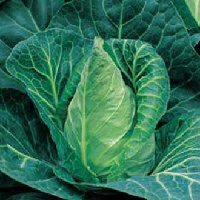 | | HISPI F1This RHS AGM variety is a strong and uniform pointed type, with a beautifully sweet flavour. Cabbage 'Hispi' has good bolt resistance and needs little growing space so it is ideal for growing in small gardens where space is at a premium. |
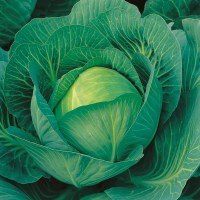 | | SHERWOOD F1This outstanding mid to late summer cabbage has solid heads usually weighing around 2lb. Tightly wrapped and with a small core, its flavour is remarkably sweet and the heads stay in good condition for weeks. |
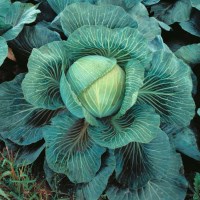 | | KILATON F1This excellent summer/winter cabbage has many attributes for the home gardener. It shows good resistance to clubroot and has high tolerance to internal black, giving it good storage life. Kilaton produces dense heads of good flavour with very tender internal leaves. |
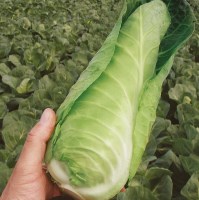 | | DUTCHMAN F1A deliciously sweet, small-headed pointed cabbage. It boasts excellent flavour, shows good resistance to white blister and holds well when mature. Ideal for growing at reduced spacing. |
Site, Soil and Preparation
Cabbages like a fertile, well draining, moisture retentive, firm soil. The main crop beds should be dug over and firmed a few months before planting.
Indoor Sowing
Summer Cabbage is sown in April ready to cut in August. Cabbage can be started off in growing cells or seed trays under cover.
Outdoor Sowing
Cabbage seed can be sown directly into a seed bed.
Thinning
Seeds should be sown thinly and thinned out to 3 inches as they develop. Germination usually takes 7 to 14 days.
Transplanting
Seedlings are ready for transplanting when they have 5 or 6 leaves. Use a dibber to make a hole large enough to accommodate the root ball and firm the soil around the plant. Spacing between plants varies, for compact heads space at 30cm, for large heads allow 45cm and leave just 15cm between spring cabbage to encourage their conical shape.
Care
Keep the young plants weed free and well watered until established and then only water during dry periods.
Harvest
Cabbages are harvested by cutting through the stem just above ground level with a sharp knife. After harvesting cut a half inch deep cross in the stump of spring and summer cabbages and you'll be rewarded with a second crop of much smaller cabbages later in the year.

