Calabrese
Type: Vegetable
Rotation Group: 4, Brassicas
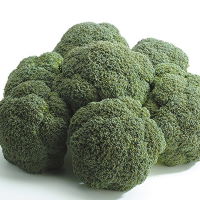 | | AQUILESCan be over-wintered if desired for an extra early crop of top class, tightly domed heads. Aquiles F1 can also be planted closer together than many other varieties, making the most of garden space. Once the central head is cut, delicious smaller side shoots are produced. |
 | | IRONMANAn outstandingly vigorous variety which yields tasty and uniform dome-shaped blue-green heads. High tolerance to common diseases. This top quality variety is suitable for closer spacings if growing for baby heads. |
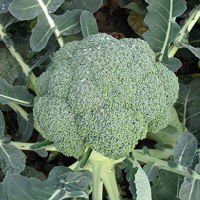 | | STROMBOLIAn excellent strain which produces tight, dark green, good quality heads. It is early to mature from an autumn sowing, the plants are vigorous and are not prone to 'blindness'. |
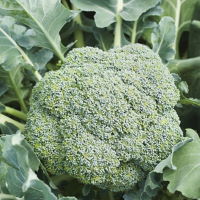 | | MARATHONOne of the most reliable and long cropping of summer broccolis with fine quality, tasty heads, its ability to do well in nearly all soils and its splendid disease resistances. It is possible to be cutting the heads from June right through until late autumn. An all round great performer! |
Site, Soil and Preparation
Broccoli and calabrese prefer a sunny position in a rich, moist soil that has been prepared in advance in autumn with generous amounts of garden compost or manure.
Indoor Sowing
Seed can be sown undercover in root trainers or 75mm (3in) pots at a depth of 10mm (1/2in) to minimise disturbance of roots. Sow seed from March to May.
Outdoor Sowing
Sow seed thinly in a prepared seed bed at a depth of 10mm (1/2in). Sow seed from March to May.
Thinning
Thin plants during transplantation to final growing position.
Transplanting
When seedlings are 100mm (4in) tall transplant from June onwards to their outdoor positions and plant at spacings of 450mm (1 1/2ft) apart.
Care
Place cabbage collars around seedlings to prevent attack from cabbage root fly. Water plants well, especially during hot spells.
Harvest
Harvest the heads as the multiple flower buds develop but before they reach the point of opening.

