Beans - Broad
Type: Vegetable
Rotation Group: 3, Legumes
 | | SUPER AQUADULCEConsidered the best autumn sown broad bean as they can withstand the worst of winter weathers. The plants are compact and give an early crop of well filled pods. However if your planning to sow in spring then avoid this variety and choose one of the other varieties that are more tender and tasty. |
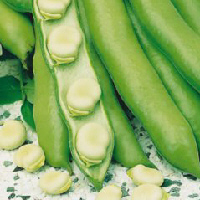 | | BUNYARDS EXHIBITIONAn old and reliable favourite Variety with long pods each holding typically 8 tasty beans. The yields are excellent and the beans good for freezing or the show bench. |
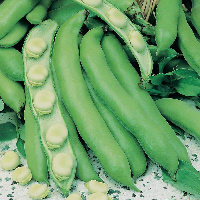 | | THE SUTTONMany gardeners favourite as they are easy to grow and produce a heavy crop of fine flavoured beans. They are low growing and support themselves in all but the windiest conditions. They can also be sown in autumn or spring, but spring sowing is recommended. |
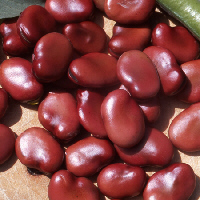 | | RED EPICURESimilar in taste to other broad beans but offering unusual red beans. The beans retain their colour if steamed but this is lost if even lightly boiled. If picked young and tender they are good enough to eat raw in salads. |
Site, Soil and Preparation
Broad beans prefer a fertile, well drained soil that has had a preparation of plenty of garden compost or manure. Autumn sown varieties are best in a sheltered position, whilst spring sown varieties can be in an open position.
Indoor Sowing
Broad beans are usually sown direct outside but can be started indoors in root trainers.
Outdoor Sowing
Autumn variety sowings from October to November and spring varieties from February to April. Sow at a depth of 50mm (2in), 250mm (10in) apart with rows 300mm (1ft) apart. Late autumn and early spring sowings may need protecting with horticultural fleece.
Thinning
Thinning of bean plants should not be needed if planted at the correct spacings.
Transplanting
Transplant indoor sown broad beans to their outdoor positions when roots have reached the bottom of the root trainers and plant at the same spacings as given for outdoor sowing.
Care
Tall varieties will need stakes to support them, whilst short varieties can usually support themselves. Pinch out the tops of the plants when pods begin to form to deter blackfly.
Harvest
Harvest the pods once they become swollen with the beans and pick from the lower pods upwards.

